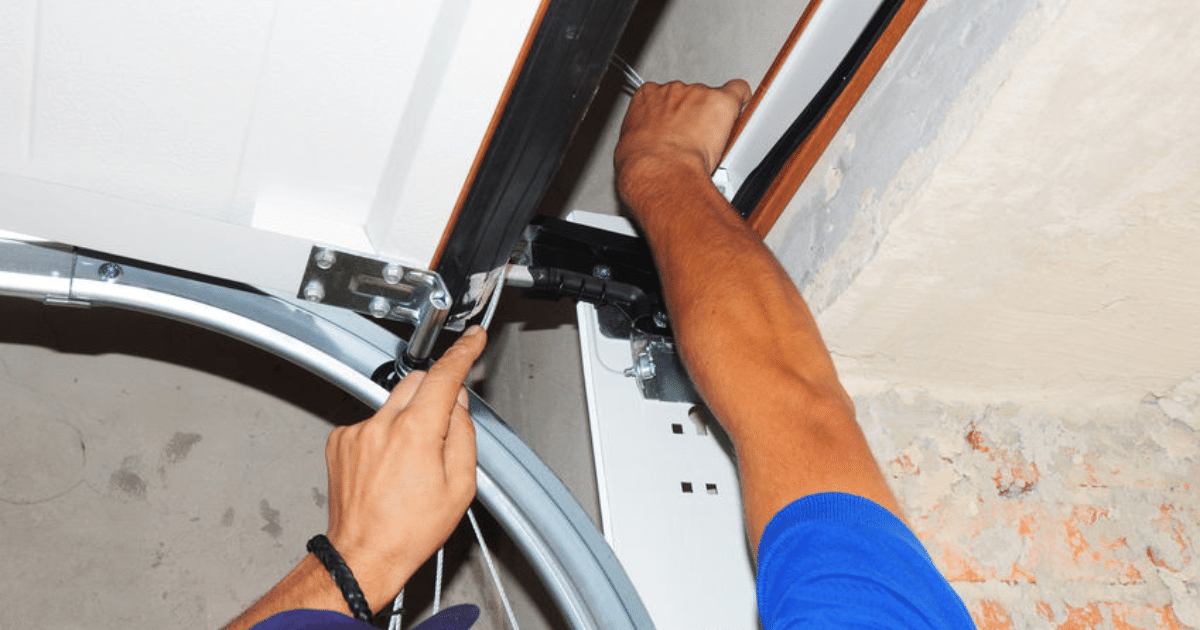
A garage door track issue often begins as a barely noticeable shift, but it can quickly escalate into a significant and dangerous operational failure if left unaddressed. Understanding the escalation path from a minor misalignment to a complete system breakdown is essential for every homeowner, as it directly impacts your safety and the functionality of your property. Ignoring minor track problems may seem harmless at first, but over time, the strain on the garage door mechanism can lead to more severe complications, such as the garage door becoming detached or malfunctioning entirely.
Proper incident management and a prepared emergency response strategy are not just for large organizations; they are equally crucial for managing the complex mechanical systems in your home. Homeowners should take proactive measures to regularly inspect their garage door tracks and address any misalignments or damage immediately.
Understanding Track Issues in Garage Door Systems
The tracks that guide your garage door are fundamental to its smooth and safe operation, serving as the pathway for the rollers to travel along. When these tracks become even slightly misaligned or bent, they introduce friction and stress into the system, which is the root cause of many larger problems.
Investigating the different types of incidents that can affect tracks, from minor dings to significant bending, helps you appreciate their vital role in the door’s mechanics. A comprehensive understanding is the first step toward recognizing when a situation requires professional attention to maintain operational integrity.
Find out what occurs when a garage door goes off track and the right time to call a professional by reading: What Happens When a Garage Door Goes Off Track—and When Should You Call a Pro?
How Small Track Shifts Can Lead to Bigger Garage Door Repair Problems
Minor track issues can rapidly escalate into major disasters if not adequately managed, as every component of the garage door system is interconnected and relies on precise alignment. A slight bend in the track forces the rollers to move at an incorrect angle, creating excessive friction and strain that reverberates throughout the entire mechanism. This incident escalation puts undue stress on the lift cables, springs, and even the opener motor, accelerating wear and tear on these critical parts.
Continued operation with a slight misalignment can cause the rollers to pop out of the track, leading to the door becoming jammed or, in a worst-case scenario, falling completely. What starts as a minor service management concern can quickly transform into a full-blown system failure requiring extensive and costly repairs that could have been avoided with an earlier response.
Therefore, addressing these small issues as soon as they are detected is fundamental to preventing a cascade of failures that compromise both the safety and functionality of your door. Ignoring the initial signs essentially guarantees that a more significant and hazardous situation will develop over time, disrupting your daily routine.
See why an off-track garage door can create serious safety and operational risks by reading: Off Track and Out of Control: The Risks You Can’t Ignore.
Common Signs That Indicate a Potential Off Track Scenario
Identifying the early warning signs of a developing track problem is crucial for ensuring an immediate response before the situation becomes more severe. These indicators are your system’s way of signaling that critical issues are on the horizon and that professional evaluation is necessary to prevent further damage. Paying close attention to how your door sounds and moves can help you catch these problems early.
You should be on the lookout for several specific symptoms that suggest a track misalignment is worsening and may lead to a complete off-track incident. These signs are often subtle at first but will become more pronounced as the underlying problem grows more serious.
- Loud grinding, scraping, or popping sounds during operation.
- Visible gaps are appearing between the rollers and the track itself.
- The door moves unevenly or appears tilted as it opens or closes.
- Jerky or hesitant movements instead of a smooth, continuous motion.
Recognizing these symptoms allows you to take action before a minor inconvenience transforms into a significant safety hazard that requires an urgent resolution.
Learn how even a slightly misaligned track can lead to bigger problems than expected by reading: When a Misaligned Track Means More Than Just an Inconvenience.
Why Incident Tracking Matters for Garage Door Safety
Incident tracking is essential for preventing small problems from becoming serious because it provides a clear history of your garage door’s performance and health over time. By noting when you first hear a strange noise or see a slight misalignment, you create a log that helps identify deteriorating conditions before they result in a catastrophic failure. This proactive approach to safety management is essential for maintaining business continuity in your daily life, as an inoperable garage door can cause major disruptions.
This process allows you to observe patterns, such as a noise that becomes progressively louder or a vibration that intensifies, signaling that the root cause is worsening. Without tracking these details, it is easy to dismiss minor symptoms until they culminate in a major incident that requires emergency intervention and extensive repairs.
Ultimately, keeping a record of these minor issues empowers you to make informed decisions about when to seek professional garage door services, ensuring that potential hazards are addressed long before they compromise the structural integrity and safety of the system.
Learn how industry-approved guidelines shape safe and reliable door systems with the DASMA Standards.
The Risks of Ignoring Minor Off Track Changes
Disregarding minor shifts in your garage door’s tracks introduces significant risks that extend far beyond a simple operational annoyance and can threaten your property. A thorough risk assessment reveals that continued use of a compromised system almost always leads to more severe damage, turning a straightforward adjustment into a complex and expensive repair job.
An effective incident response begins with acknowledging that even small changes warrant attention, as they are often indicators of underlying stress that can impact the entire system. Ignoring these warnings compromises your home’s business continuity and creates preventable safety hazards for you and your family.
Ensure your garage door systems meet federal safety requirements by consulting the Federal Register.
Escalating Damage: How Continued Use Worsens Alignment Problems
Continued use of a garage door with a shifted track will absolutely make the issue worse, as each cycle of opening and closing places immense stress on already-compromised components. When the track is misaligned, the door’s weight is no longer distributed evenly, causing rollers to grind, cables to fray, and the opener to work much harder than it was designed to. This ongoing strain is a direct path to a major incident.
A detailed root cause analysis would show that the initial small problem acts as a catalyst for a chain reaction of damage throughout the system. The friction from a bent track can wear down rollers, while the added resistance can burn out the motor in your opener.
By forcing the door to operate under these stressful conditions, you are essentially accelerating its journey toward a complete breakdown that will be far more complicated and costly to resolve. Halting use and seeking professional assessment is the only way to prevent this predictable escalation of damage.
Secondary System Failures Caused by Neglecting Track Issues
Track problems directly and negatively affect other garage door components, often leading to secondary system failures that can be more dangerous and expensive to fix than the original issue. For instance, a misaligned track can cause a lift cable to come off its drum or even snap under the uneven tension, a critical incident that renders the door immediately inoperable and extremely hazardous.
Furthermore, the excessive force required to move a door along a bent track can place a tremendous burden on the torsion or extension springs, potentially causing them to break prematurely. These springs are under extreme tension and are fundamental to counterbalancing the door’s weight, so their failure represents a significant safety risk requiring disaster recovery efforts.
The garage door opener itself is also susceptible to damage, as the motor may overheat and fail while trying to overcome the resistance from a poorly aligned track. Neglecting the initial track problem effectively creates a domino effect that compromises the integrity and safety of the entire system.
Safety Concerns Related to Delayed Garage Door Repair Off
The risks that come with ignoring early track warning signs are substantial, with the primary concern being the potential for the garage door to fall unexpectedly. A door that comes off its tracks is no longer securely supported and can collapse, posing a severe threat to anything or anyone in its path and potentially damaging your sense of security at home. This scenario requires an urgent response to mitigate immediate danger.
Ultimately, postponing necessary repairs transforms a manageable mechanical issue into a pressing safety emergency that could have been easily avoided with timely intervention. Prompt action is not just about convenience; it is a critical step in ensuring the well-being of your household.
Typical Symptoms as Track Issues Escalate
The signs that suggest a minor track issue is getting worse will become increasingly apparent as the problem progresses through each escalation level. Initially, you might notice only a subtle change, but as the track’s structural integrity weakens, the symptoms will become more pronounced and more complex to ignore, moving beyond simple alert fatigue.
As the problem advances, you will likely hear the types of issues evolve from quiet scraping sounds to loud, jarring pops, bangs, or grinding noises that indicate metal-on-metal friction in your Liftmaster system. Visually, you might observe the door starting to wobble or shake as it moves, or you may see the rollers straining and even lifting out of the track channel in certain spots.
Examples of Major Incidents Triggered by Initial Small Shifts
One of the most common examples of how a small shift can trigger a major incident begins with a minor bump to the track from a car or lawnmower. This slight bend, if ignored, becomes the root cause of a much larger problem as the rollers are repeatedly forced over the damaged area, which gradually worsens the misalignment.
This continuous stress can eventually cause a roller to pop out of the track entirely, which is one of the critical incidents that leads to immediate and significant consequences. Once a roller is out, the door will likely become wedged at an angle, unable to move up or down, and placing immense strain on the remaining rollers, cables, and panels.
Suppose an attempt is made to force the door. In that case, the situation can escalate further into a snapped cable or a completely detached door, turning a simple track repair into a complex and dangerous recovery operation. This scenario shows why addressing the initial, small shift is the most effective way to prevent a major incident from ever occurring.
Expert Garage Door Service
Addressing track issues in your garage door system is crucial to maintaining safety and functionality. Even the smallest misalignments can lead to significant problems if ignored, resulting in escalating damage and potential safety hazards. It is essential to recognize the signs that indicate an off-track scenario early on to avoid more severe consequences later. Remember, minor adjustments may seem insignificant initially, but neglecting them could result in complications that require professional intervention.
Superior Garage Door of Riverside provides comprehensive solutions for homes and businesses. Our experienced team ensures every system functions safely, efficiently, and reliably. We are committed to excellent service and take pride in supporting our local heroes with exclusive discounts. Superior Garage Door isn’t just about doors and gates; it’s about taking care of our community.
Contact us today or give us a call to experience professional service with a personal touch.
Frequently Asked Questions
What causes small track issues in a garage door system?
Minor track issues are often caused by underlying factors, such as loose mounting brackets or the natural settling of the garage structure over time. These events can create slight bends or misalignments that, while seemingly insignificant, disrupt the door’s balance and initiate the process of incident escalation if a risk assessment is not performed.
How can a minor shift in the track turn into a serious problem?
A minor shift creates a point of friction that causes escalating damage with every use, quickly progressing from a minor issue to a major incident. This incident escalation occurs because the added stress wears down rollers, strains the opener, and can lead to a complete system failure, demanding immediate action to avoid a dangerous breakdown.
What signs suggest that a minor track issue is getting worse?
The most common early warning signs of a worsening track issue include new or louder grinding noises, jerky or uneven door movement, and visible gaps appearing between the rollers and the track. These critical issues are relevant details that indicate the problem is escalating, and you are moving past simple alert fatigue.
Why is a garage door track so important to overall system safety?
The garage door track plays a vital role in safety management because it guides the door’s movement and helps support its immense weight, ensuring operational business continuity. Proper service management of the tracks prevents the door from becoming unstable or detaching, which could otherwise lead to a catastrophic and dangerous system failure.
Can continued use of a door with a shifted track make the issue worse?
Yes, continued use will absolutely worsen a shifted track issue, as each cycle adds more stress and accelerates the damage, turning a minor problem into a major incident. This escalation process is why a prompt incident response and root cause analysis are critical to preventing a complete and costly system breakdown.
How do track problems affect other garage door components?
Track problems cause secondary system failures by placing uneven stress on other components, which is a critical issue that a major incident manager would prioritize. Response procedures must account for how these types of issues can lead to frayed cables, broken springs, and burnt-out opener motors, compromising the entire system.
Are track issues always visible?
No, track issues are not always visible, as early warning signs may be purely auditory, such as faint scraping or popping sounds that are documented in incident logs. An effective incident response involves listening for these subtle clues, as they are often the first essential details indicating that serious problems are developing internally.
What risks come with ignoring early track warning signs?
Ignoring early warnings elevates the risk assessment from a minor issue to a major one, potentially leading to a complete system failure, property damage, or serious injury. This incident escalation can damage your sense of security and harm your personal reputation as a proactive homeowner, disrupting your household’s business continuity.
Can environmental factors make track issues worse?
Yes, environmental factors like extreme temperature fluctuations can cause tracks to expand and contract, worsening misalignments, while high humidity can accelerate rust and corrosion. These critical incidents, much like equipment failures, require an immediate response as part of a comprehensive incident management plan to prevent further deterioration of the system.
Why is professional attention critical when track issues start to escalate?
Professional attention is critical because garage door systems are under extreme tension, and only properly trained professionals can safely perform repairs. A professional serves as the incident commander, using an established escalation matrix and emergency response knowledge to manage the incident effectively and prevent further damage.
Minor track issues are often caused by underlying factors, such as loose mounting brackets or the natural settling of the garage structure over time. These events can create slight bends or misalignments that, while seemingly insignificant, disrupt the door’s balance and initiate the process of incident escalation if a risk assessment is not performed.
A minor shift creates a point of friction that causes escalating damage with every use, quickly progressing from a minor issue to a major incident. This incident escalation occurs because the added stress wears down rollers, strains the opener, and can lead to a complete system failure, demanding immediate action to avoid a dangerous breakdown.
The most common early warning signs of a worsening track issue include new or louder grinding noises, jerky or uneven door movement, and visible gaps appearing between the rollers and the track. These critical issues are relevant details that indicate the problem is escalating, and you are moving past simple alert fatigue.
The garage door track plays a vital role in safety management because it guides the door’s movement and helps support its immense weight, ensuring operational business continuity. Proper service management of the tracks prevents the door from becoming unstable or detaching, which could otherwise lead to a catastrophic and dangerous system failure.
Yes, continued use will absolutely worsen a shifted track issue, as each cycle adds more stress and accelerates the damage, turning a minor problem into a major incident. This escalation process is why a prompt incident response and root cause analysis are critical to preventing a complete and costly system breakdown.
Track problems cause secondary system failures by placing uneven stress on other components, which is a critical issue that a major incident manager would prioritize. Response procedures must account for how these types of issues can lead to frayed cables, broken springs, and burnt-out opener motors, compromising the entire system.
No, track issues are not always visible, as early warning signs may be purely auditory, such as faint scraping or popping sounds that are documented in incident logs. An effective incident response involves listening for these subtle clues, as they are often the first essential details indicating that serious problems are developing internally.
Ignoring early warnings elevates the risk assessment from a minor issue to a major one, potentially leading to a complete system failure, property damage, or serious injury. This incident escalation can damage your sense of security and harm your personal reputation as a proactive homeowner, disrupting your household’s business continuity.
Yes, environmental factors like extreme temperature fluctuations can cause tracks to expand and contract, worsening misalignments, while high humidity can accelerate rust and corrosion. These critical incidents, much like equipment failures, require an immediate response as part of a comprehensive incident management plan to prevent further deterioration of the system.
Professional attention is critical because garage door systems are under extreme tension, and only properly trained professionals can safely perform repairs. A professional serves as the incident commander, using an established escalation matrix and emergency response knowledge to manage the incident effectively and prevent further damage.