Understanding the anatomy of garage door systems can help homeowners make more intelligent choices that improve long-term performance and extend their door’s lifespan.
The garage door is one of your home’s most frequently used components, yet it’s also one of the most overlooked when it comes to maintenance and design. Knowing the anatomy of garage door mechanisms is crucial for identifying issues early, making informed purchasing decisions, and optimizing daily function.

Many homeowners don’t realize that every part of a garage door, from the panels to the torsion springs, plays a specific role in safety, performance, and longevity. The more you understand the internal and external components, the more confident you’ll be when scheduling service or investing in a replacement.
This guide explains the main parts of a garage door, what they do, and how good maintenance and installation can help your system last longer.
The Core Anatomy of Garage Door Systems
Garage doors consist of several interrelated components that must work together efficiently. Each part is designed with both structural integrity and performance in mind. Here are the key components:
Panels and Sections
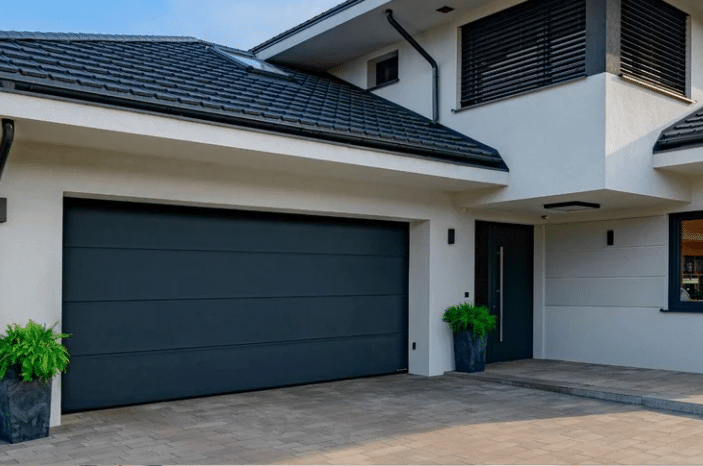
The visible part of your garage door comprises panels connected by hinges. These panels can be insulated or non-insulated and come in various materials, including steel, wood, aluminum, or fiberglass.
Well-insulated and properly sealed panels are essential to maintaining temperature control and resisting weather-related wear. Dented or rusted panels can reduce the lifespan of your door and affect its smooth operation.
Tracks and Rollers
The vertical and horizontal tracks guide the movement of your garage door, while rollers ensure smooth travel. Dirty or bent tracks can lead to misalignment, and worn-out rollers cause unnecessary strain on the opener.
Regular cleaning and lubrication of the track and roller system can dramatically improve the garage door’s performance.
Springs (Torsion and Extension)
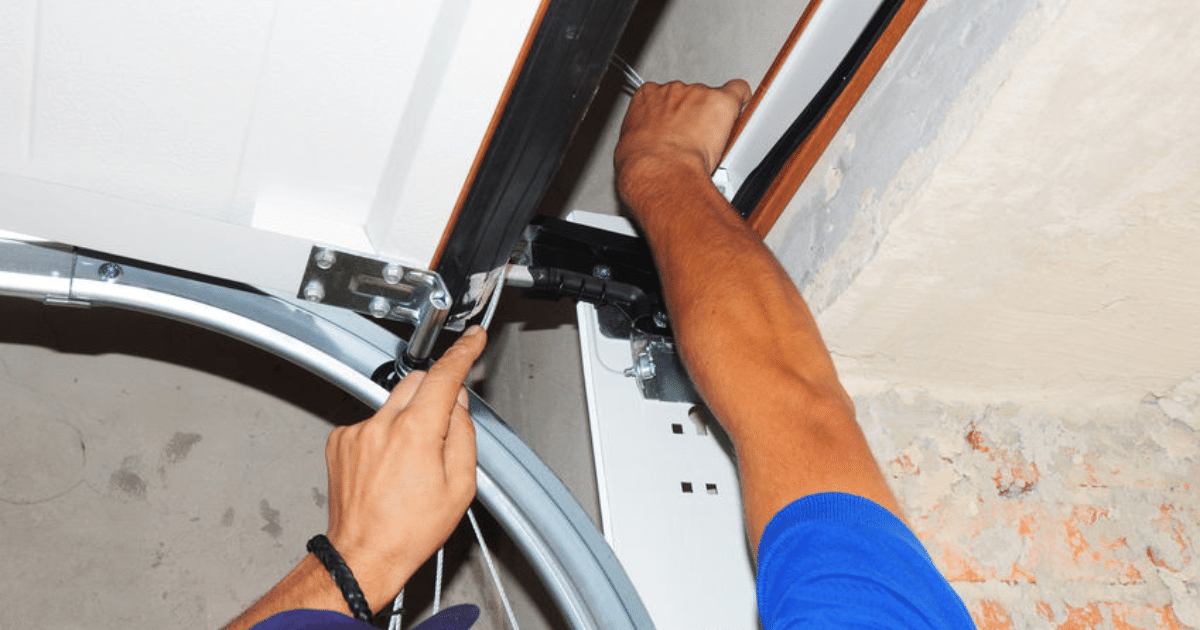
Springs are arguably the most important part of the anatomy of garage door systems. Torsion springs are mounted above the door, while extension springs run along the sides. Both counterbalance the door’s weight, allowing it to open and close easily.
Improper spring tension or worn springs can cause significant safety risks and shorten the lifespan of your opener motor. Replacing these requires professional expertise.
Hinges and Brackets
These allow your door sections to bend as they move along the tracks. Hinges must be properly aligned and lubricated to reduce metal fatigue and noise.
Loose or rusty hinges can compromise structural stability, which in turn impacts performance.
Garage Door Opener
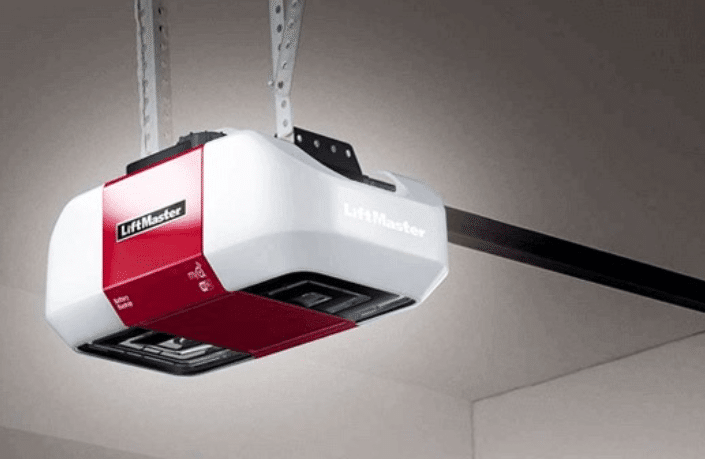
The opener is the motorized device that powers the movement of your garage door. Openers come with different drive mechanisms, including chain, belt, and screw drives. A quality opener appropriately matched to your door size and weight increases both efficiency and lifespan.
Modern openers include innovative features like Wi-Fi integration, automatic locking, and battery backup.
Safety Sensors and Cables
Located near the floor, safety sensors detect objects or people in the door’s path. If misaligned, the door may fail to close correctly. Lifting cables work in conjunction with springs to control the door’s motion.
Both are essential for safe operation and require routine inspection.
How Garage Door Anatomy Affects Daily Performance
A garage door that isn’t well-maintained or correctly assembled can produce noise, drag during operation, or become unbalanced. These issues are often due to one or more components being misaligned, under strain, or worn out.
When garage door systems’ anatomy functions correctly, you can expect smoother movement, quieter operation, and less wear on the opener motor. Performance issues often start with small parts—such as worn rollers or loose brackets—that escalate when ignored.
Seasonal changes also affect performance. For example, metal components may contract or expand in extreme temperatures, impacting how well the door seals or moves.
Extending the Longevity of Your Garage Door System
A garage door is a major investment and a key component of your home’s security and curb appeal. Proactive care and smart decisions are essential to ensure it operates smoothly for years. Extending the life of your garage door system starts with understanding its structure and committing to regular maintenance.
Routine Maintenance Is Essential
Ongoing upkeep is the easiest way to prevent costly repairs and extend your system’s life.
- Lubricate all moving parts, including rollers, hinges, and springs, with a high-quality silicone or lithium-based lubricant.
- Clean the tracks regularly to remove debris and ensure smooth motion.
- Inspect for rust, corrosion, or signs of misalignment that can lead to premature wear.
- Tighten any loose bolts or hardware that may come loose with vibration over time.
Performing these tasks quarterly can significantly reduce mechanical strain on your opener and door panels.
Schedule Annual Professional Inspections
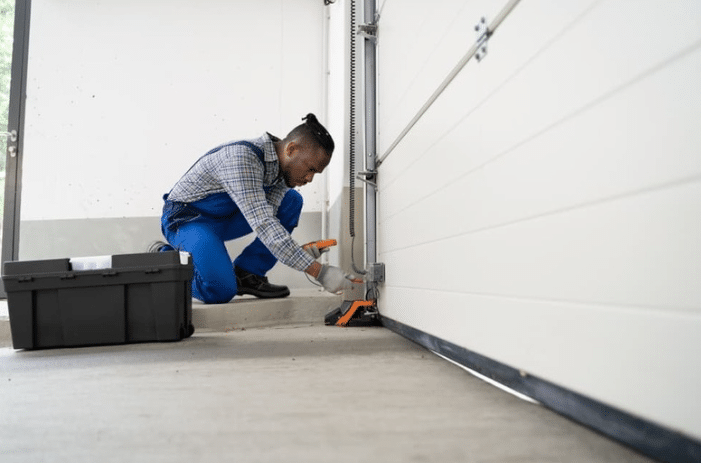
Even with regular DIY maintenance, a yearly check-up by a garage door technician is crucial.
- Professionals can assess the condition of springs, cables, pulleys, and opener systems more thoroughly than the average homeowner.
- Early detection of imbalances or stress fractures allows for targeted repairs before a full breakdown occurs.
- Safety features, such as the auto-reverse system, should also be tested to ensure compliance with current standards.
Replace Worn Components Proactively
Delaying the replacement of compromised parts can lead to bigger and more expensive problems.
- Worn rollers, frayed lift cables, or rusty hinges can stress the system and cause uneven wear.
- Replacing individual components early is typically less costly than addressing a major failure later on.
- Make sure replacement parts match your existing system specifications to avoid performance issues.
Invest in Quality Materials and Installation
From the start, quality matters.
- Choose high-grade materials like steel, composite, or insulated doors for better durability and energy efficiency.
- Don’t skimp on professional installation. Improper alignment or tension can reduce the lifespan of even the best door.
- Consider upgrading to smart openers or heavy-duty spring systems if you use your garage frequently.
Catch Problems Early
The earlier you recognize signs of wear—such as strange noises, jerky movements, or slow operation—the easier (and cheaper) it is to fix them.
- Stay alert for any changes in your garage door’s behavior.
- Address issues quickly to avoid cascading damage throughout the system.
Frequently Asked Questions
What is the strip around the garage door called?
The strip around the garage door is called weatherstripping or a garage door seal. Sealing the edges of the door helps keep out drafts, rain, dust, and pests.
What are the parts of a garage door?
The main parts of a garage door include panels, hinges, rollers, tracks, springs, cables, and the opener system. Each component plays a role in the door’s movement, support, and overall function.
What is the bottom part of a garage door called?
The bottom part of a garage door is known as the bottom panel or bottom section. It usually includes a bottom seal to close the gap between the door and the floor.
What is the metal around the garage door called?
The metal around the garage door is typically called garage door trim or aluminum capping. It provides a finished look and protects the frame from moisture and wear.
What are garage door sections?
Garage door sections are the individual horizontal panels that make up the full height of the door. These sections are connected by hinges, allowing the door to bend and move along the tracks when opening or closing.
Conclusion
Understanding the anatomy of garage door systems empowers homeowners to take better care of one of their homes’ most essential parts. Each component plays a specific role, and neglecting even minor parts can lead to performance issues or safety hazards.
When you understand how these components interact and wear over time, you’re more likely to schedule maintenance on time, avoid costly repairs, and ensure the door functions efficiently for years. A properly maintained garage door is safer and more cost-effective over time.
Whether you’re looking to upgrade or simply want to get the most from your current system, having expert support is key. That’s where Superior Garage Door of Riverside comes in.
End Note
Superior Garage Door of Riverside is your trusted partner for dependable, high-quality garage door services. We’re committed to ensuring your garage door operates flawlessly, giving you the peace of mind you deserve. Whether you need emergency repairs or a complete replacement, our team is ready to deliver efficient, lasting solutions tailored to your needs.
With a team of experienced technicians and a reputation built on reliability, we handle everything from garage door repairs to replacing damaged rollers, correcting a cable off track, or fixing broken springs. We use only premium parts and the latest tools to ensure your system functions smoothly, day in and day out.
Learn more about our team and check out our complete garage door services. We proudly serve homeowners across Menifee, CA, and Ontario, CA, and are expanding throughout our service areas. Visit our blog for more tips, read our FAQs, or contact us today to speak with a local expert. Stay connected on Facebook for updates and real-time support.
SUPERIOR GARAGE DOOR OF RIVERSIDE
+19517127652